Why is Psilocin Important for Psychedelics Trips.
In recent years, the interest in psychedelics has grown significantly, particularly when it comes to understanding the components that make these experiences profound. Psilocin plays a crucial role in these psychedelic experiences, especially with substances like shrooms. In this blog, we'll delve into why psilocin is essential and how it impacts a psychedelic journey.
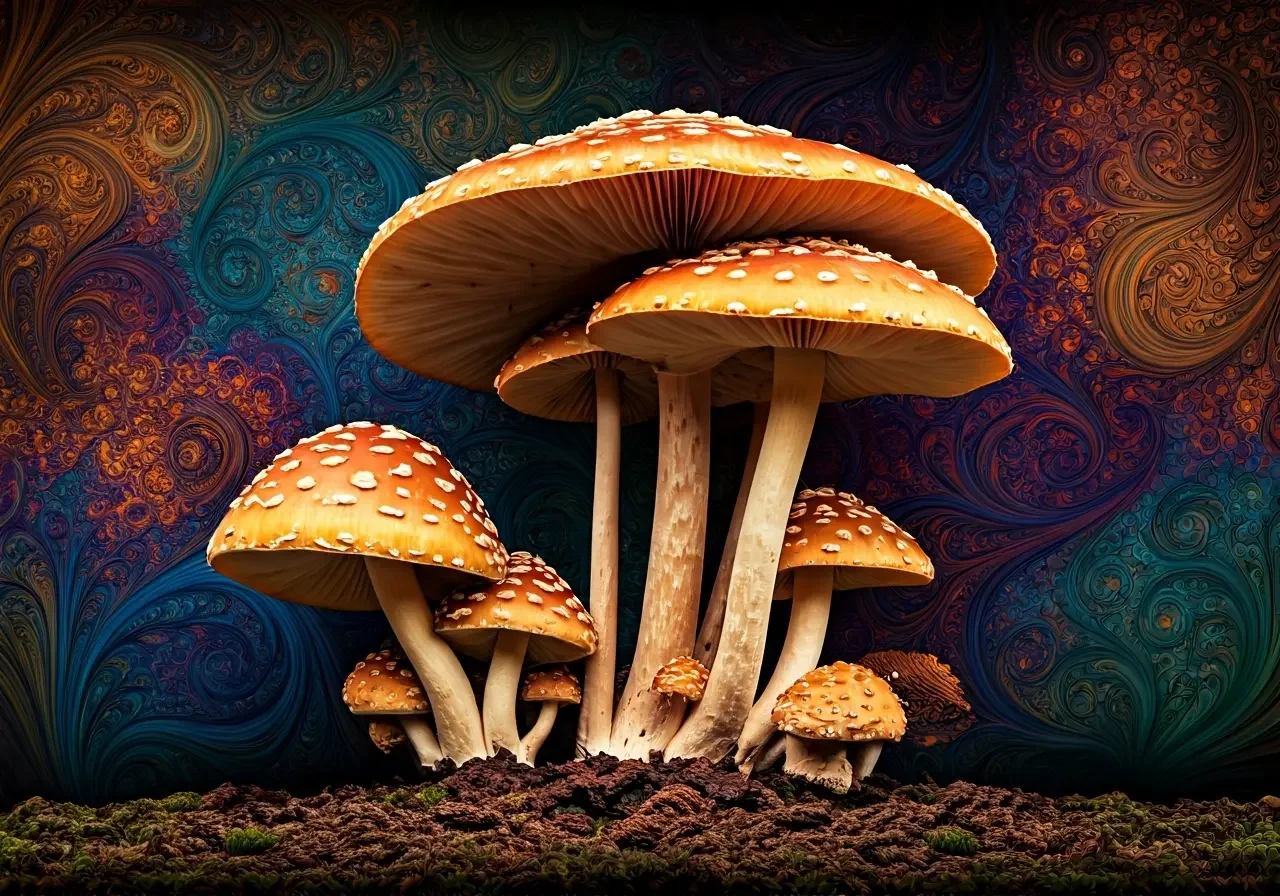
What is Psilocin?
Psilocin is a naturally occurring psychedelic compound found in certain types of mushrooms, often referred to as 'magic mushrooms' or 'shrooms'. It is a potent psychoactive substance that contributes to the vivid and profound experiences users report. But what exactly is psilocin, and how does it work within the human body?
Psilocin is closely related to another compound known as psilocybin, which is actually the more commonly recognized name. When shrooms are ingested, psilocybin is converted into psilocin in the body. This conversion is essential as it makes psilocin the active agent responsible for the psychoactive effects. This transformation is fascinating because it highlights nature's ingenious way of packaging powerful compounds within simple organisms like mushrooms. As soon as psilocybin is metabolized into psilocin, it begins interacting with the brain, leading to psychedelic effects.
The Science Behind Psilocin
In the body, psilocin binds to serotonin receptors, mimicking the effects of serotonin, a neurotransmitter that influences mood, perception, and cognition. This interaction is what leads to the altered states of consciousness associated with psychedelic trips. By understanding this mechanism, we can begin to appreciate the unique experiences facilitated by psilocin.
Serotonin receptors are a collection of G protein-coupled receptor and ligand-gated ion channel proteins found in the central and peripheral nervous systems. Psilocin primarily targets the 5-HT2A receptor, a subtype that plays a central role in the hallucinogenic effects of psychedelics. This receptor interaction is what helps elevate mood and alter perception. Interestingly, the effects of this binding are not just linear but intricate, involving changes in how neurons communicate within networks. As psilocin affects these neural pathways, it opens doors to new forms of understanding, potentially explaining why users experience enhanced creativity and philosophical insights.
Delving deeper, it's worth noting that our natural serotonin levels can significantly influence how psilocin is perceived. Some researchers believe that individual differences in brain chemistry can affect the intensity and quality of a psychedelic experience. For instance, someone with naturally higher serotonin levels might have a more muted experience than someone whose serotonin activity is naturally lower. It’s these nuances that make each psychedelic journey unique, and they emphasize the importance of personalized approaches to using these substances, especially in therapeutic settings.
Psilocin’s Role in Psychedelic Experiences
Beyond the science, psilocin contributes to the profound psychological and mystical experiences reported by users. From enhanced sensory perceptions to a sense of unity with the environment, psilocin truly shapes the nature of psychedelic journeys. This section explores the common themes and experiences tied to psilocin consumption.
Many users report an altered perception of time and reality while under the influence of psilocin. These alterations can range from vivid hallucinations to a deep sense of spiritual awakening. Some describe it as seeing the world through a different lens, where colors appear more vivid, and sounds are more profound. For many, one of the most striking experiences is the feeling of interconnectedness with the universe. It's not uncommon for users to experience deep introspection, leading to personal insights about their lives, relationships, and purpose. This sense of connection often transcends personal insights and extends to a broader vision of humanity and nature, fostering a spirit of empathy and oneness.
Perhaps the most captivating aspect of psilocin is its potential to induce mystical-type experiences. A study by John Hopkins University found that a significant number of participants rated their psilocybin (psilocin’s prodrug) experience as one of the most meaningful events in their lives. These experiences often involve a dissolution of ego, where users experience a temporary loss of their sense of self. Such experiences are not only transformative but have been linked to sustained positive changes in mood, attitude, and behavior. The capacity of psilocin to evoke such profound experiences underlines its pivotal role in psychedelic experiences.
The Potential Therapeutic Benefits of Psilocin
More recent studies indicate that psilocin has potential therapeutic applications. It has shown promise in helping with mental health issues such as depression, anxiety, and PTSD. Here, we’ll explore the evolving research that supports the therapeutic potential of psilocin and how it might reshape mental health treatments in the future.
Research is increasingly highlighting the therapeutic benefits of psilocin in clinical settings. For example, a study from Imperial College London found that psilocybin therapy could be effective for treatment-resistant depression, offering hope where traditional antidepressants may fail. Participants reported significant improvements in mood and anxiety levels, with some experiencing long-lasting benefits after just a single treatment session. This therapeutic approach is thought to work by 'resetting' the brain, helping individuals break free from entrenched patterns of negative thought.
Beyond depression, psilocin is being explored for its potential to treat other mental health disorders such as PTSD and addiction. Early clinical trials suggest that psilocybin can help address the root causes of such conditions, promoting emotional processing and reducing symptoms. These promising findings are moving psilocin and similar compounds to the forefront of psychedelic-assisted therapy research. The potential of psilocin to transform mental health treatment paradigms is vast, and continued research could unlock newer, more effective ways to address complex psychological issues.
Psilocin and the Future of Psychedelics
The renewed scientific interest in psychedelic research has brought psilocin under the spotlight. As we continue to explore its effects and benefits, we must consider the broader implications for psychedelics in society. What might the future hold for compounds like psilocin in both scientific and recreational contexts?
As psilocin and its derivatives continue to garner attention in the scientific community, their potential applications expand. On one hand, there’s immense potential for medical and therapeutic applications. As more clinical trials show promising results, there could be a shift in how mental health disorders are treated. Furthermore, the de-stigmatization of psychedelics could lead to more broad acceptance and integration into prevailing therapeutic practices, fostering a shift towards holistic and integrated approaches to mental health.
On the societal front, the increased interest in psilocin could pave the way for a new kind of recreational use, where psychedelics are used not just for esoteric or escapist experiences, but as tools for personal exploration and development. This could lead to innovations in 'guided psychedelic journeys', where trained facilitators create safe environments for users to explore the depths of their mind. As we explore these new realms, it's crucial to focus on responsible use, integrating education and support systems to ensure safe and beneficial experiences. With ongoing research and thoughtful integration, psilocin may well be a cornerstone in the evolving landscape of psychedelics.
Embracing the Journey with Psilocin
Understanding psilocin's role in psychedelic trips allows us to better appreciate the intricacies of these experiences and the potential they hold. As research continues, we may uncover even more about how psilocin and similar compounds can contribute to personal growth, therapeutic processes, and a deeper connection with the world around us.