Understanding the difference between Gram and Microgram when Microdosing!
Microdosing, particularly with substances like magic mushrooms, has gained popularity in recent times. However, understanding the difference between measurement units such as grams and micrograms is crucial to practicing microdosing safely and effectively. In this blog, we'll break down these measurements and explore how they relate to microdosing.
Basics of Microdosing and Its Popularity
Microdosing typically involves taking a very small amount of a psychedelic substance to achieve subtle benefits without experiencing a full-blown psychedelic trip. This practice has gained traction for its potential to enhance creativity, focus, and emotional balance. Unlike taking full doses, which can lead to intense experiences or make it difficult to carry out daily activities, microdosing aims to integrate smoothly into one's daily routine. Many people credit microdosing with giving them an edge in their personal and professional lives, boosting their overall sense of well-being. This trend, while partially anecdotal, is gaining a research-backed focus as more studies aim to unravel the science behind these claims.
The appeal of microdosing lies in its transformative yet understated power. People report an uplifted sense of mood, enhanced productivity, and sharper concentration, factors that can be particularly appealing in today's fast-paced world. The practice has extended beyond the wellness community into realms such as the tech industry, where microdosing is credited with fostering innovation and breakthrough thinking. As the awareness and acceptance of microdosing grow, it's becoming an intriguing field for scientific exploration and public curiosity.
What Is a Gram?
A gram is a metric unit of mass equal to one thousand milligrams. It is a standard measurement used widely in cooking, science, and everyday life. When it comes to substances like magic mushrooms, understanding how much a gram is can help with accurate dosing. Grams offer a baseline from which smaller measurements, like milligrams and micrograms, are derived. This familiarity makes it easier to comprehend the significant differences between quantities when considering microdosing.
When dealing with microdosing, even a single gram can represent a substantial amount of the psychedelic substance. For instance, a gram of dried magic mushrooms might seem small, yet it holds a potent punch of active compounds. It's essential to grasp this concept to avoid overstepping into undesirable psychoactive territories. Proper knowledge of foundational units like grams allows microdosers to calibrate their intake thoughtfully, ensuring each dose aligns with their intended outcomes.
Understanding the Microgram
A microgram is one-millionth of a gram. It's an incredibly small measurement, typically used in medications and supplements where precision is essential. For microdosing, understanding micrograms ensures that doses remain small and controlled. The transition from grams to micrograms is not just a matter of scale—it's a shift requiring meticulous attention to detail to maintain safety and consistency in dosages.
In the world of microdosing with psychedelics, operating within microgram ranges is akin to fine-tuning an instrument. The precision ensures that the user experiences only the subtler, beneficial effects attributed to microdosing, such as improved mood or concentration, without venturing into the unpredictable depths of a full psychedelic experience. This delicate balance highlights the critical importance of understanding and correctly measuring these tiny yet impactful units.
Why Measurement Matters in Microdosing
Accurate measurements are vital in microdosing to avoid unintended effects and ensure that the practice is safe and beneficial. With substances like magic mushrooms, dosing often starts in micrograms to allow gradual acclimatization and minimize risks. Getting the measurements wrong can lead to either ineffective dosing or unpleasantly intense experiences. As such, precision is the cornerstone of successful microdosing. This practice relies on the idea that less is more, where even a tiny adjustment in intake can significantly influence the overall experience.
Effective microdosing isn't merely about taking smaller doses; it's about understanding the profound differences in biological reactions to varying quantities of a substance. The body's response to a microdose can vary significantly based on individual physiology, making the importance of accurate measurement even more pronounced. As the community and researchers continue to explore these nuances, investments in accurate measurement tools and knowledge dissemination are tantamount to achieving the desired effects responsibly.
Practical Tips for Measuring Microdoses
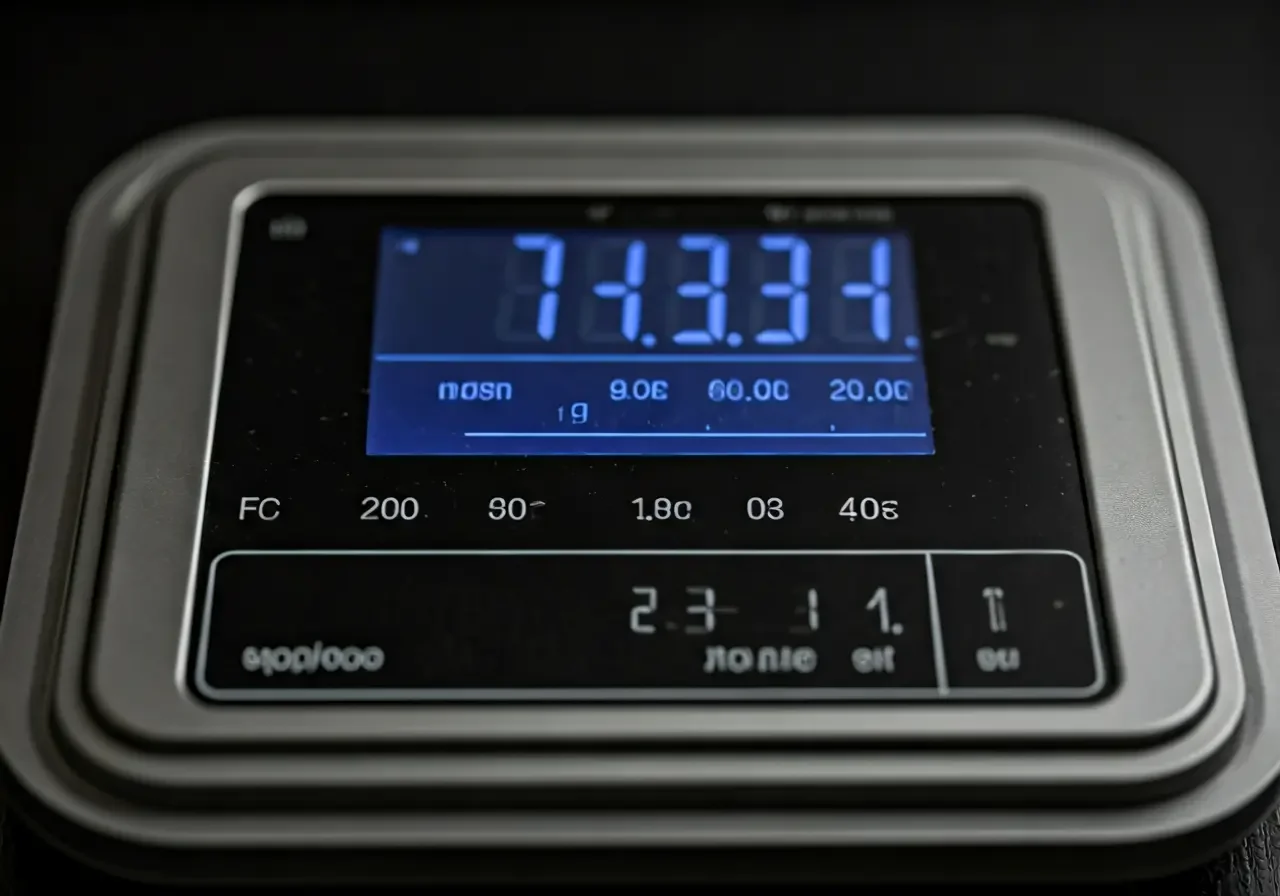
Using a precision scale that can measure both grams and micrograms is a valuable tool for anyone interested in microdosing. This ensures you administer correct dosages and maintain the integrity of the microdosing practice. Investing in a high-quality scale minimizes the margin of error, providing confidence in the consistency of each dose. Consider keeping a dedicated journal to track dosages, effects, and other variables, fostering a mindful and informed approach to the practice.
Another element to consider is finding reliable sources and ensuring the purity and quality of the substance being used. Consistency in the compound's strength will aid in maintaining a stable dosing regimen. Moreover, exploring guides and educational resources about microdosing can enhance one's understanding and approach to this nuanced practice. Being well-informed empowers individuals to harness the benefits of microdosing while respecting the boundaries and regulations surrounding it.
Key Takeaways on Safe Microdosing Practices
Understanding the finer details of microdosing, especially the difference between grams and micrograms, provides a safe and effective approach to experiencing the potential benefits of magic mushrooms. Always remember to approach microdosing with mindfulness and caution, seeking professional advice if necessary.