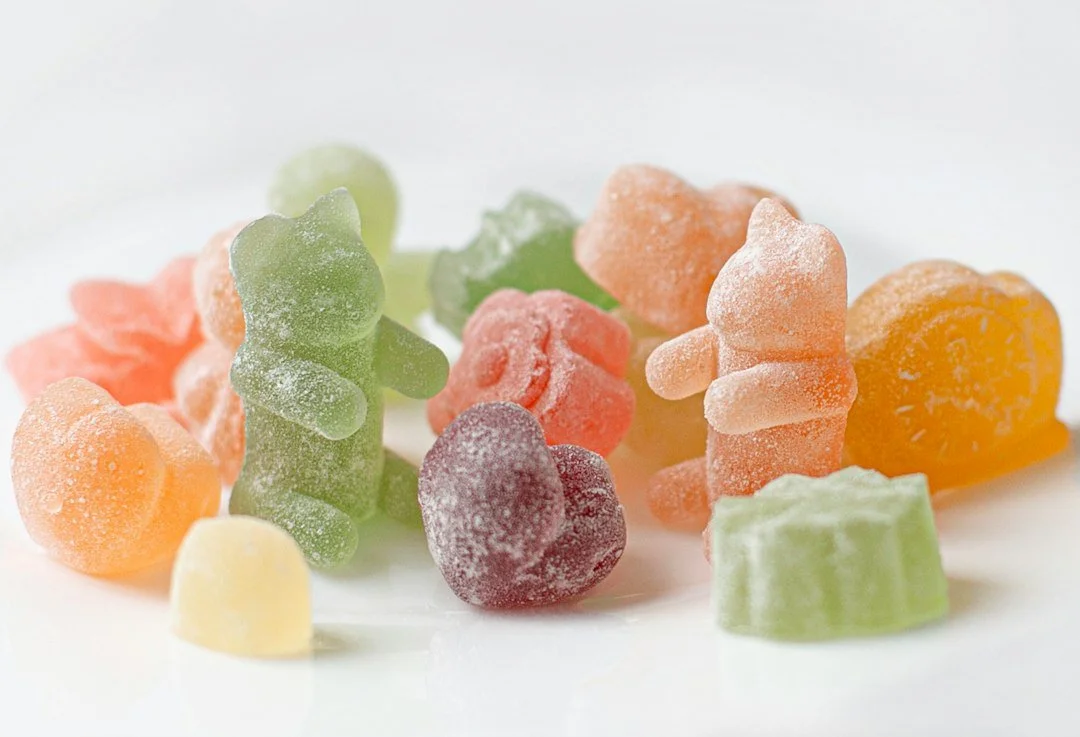
The world of psychedelic exploration has come a long way from chewing down dried mushrooms with a grimace. Magic mushroom gummies have quietly become one of the most popular formats for consuming psilocybin, and it's easy to understand why. They're discreet, pre-dosed, and far more palatable than their raw counterparts. But with growing interest comes a flood of questions, and unfortunately, a flood of unreliable products too.
This guide is built for curious, thoughtful adults who want to explore psilocybin gummies with confidence. Whether someone is considering their first experience or looking to refine a microdosing routine, this resource covers everything from how these gummies work in the body to how to spot a fake product before it causes harm.
What Are Magic Mushroom Gummies?
Magic mushroom gummies are edible products infused with psilocybin extract or powdered Psilocybe cubensis mushroom material. The active compounds, primarily psilocybin and psilocin, are incorporated into a gummy base, creating a consistent, measured serving that's far easier to consume than raw dried mushrooms.
It's worth distinguishing psilocybin gummies from functional mushroom gummies. Functional mushroom products, made from species like Lion's Mane, Reishi, or Chaga, contain no psilocybin and produce no psychedelic effects. They're widely sold in health food stores and are completely legal. Psilocybin gummies, by contrast, contain the psychoactive alkaloids that produce altered states of consciousness.
The gummy format has surged in popularity for several reasons: precise dosing, familiar texture, absence of the earthy taste many people find unpleasant, and the ability to split or combine servings with greater accuracy than breaking up dried mushrooms.
How Psilocybin Gummies Work in the Body
When someone consumes a psilocybin gummy, the body processes it through the digestive system. The liver converts psilocybin into psilocin, the compound that actually crosses the blood-brain barrier and produces psychedelic effects. This conversion step means onset is typically slower than with some other substances, generally falling in the 30 to 90 minute range depending on metabolism, stomach contents, and individual body chemistry.
The primary active constituents in Psilocybe cubensis gummies include psilocybin, psilocin, and baeocystin, a related alkaloid that may contribute to the overall experience. Lab testing is the only reliable way to confirm the presence and concentration of these compounds in any given product.
Peak effects generally arrive around the 2 to 3 hour mark, with the full experience lasting 4 to 6 hours before a gradual comedown. Compared to eating raw dried mushrooms, the gummy format can produce a slightly smoother onset, though this varies between individuals.
Dosage Guide: How Much Should Someone Take?
Dosage is arguably the most important variable in any psilocybin experience. Here's a general framework based on dried mushroom equivalent weight:
Microdose (0.05g to 0.3g equivalent): Sub-perceptual. No hallucinations. Often used for mood support, focus, and creativity.
Low dose (0.5g to 1g equivalent): Mild perceptual shifts, mood elevation, gentle sensory enhancement. Good for beginners exploring the threshold.
Moderate dose (1g to 2.5g equivalent): Noticeable psychedelic effects including visual patterns, emotional depth, and altered time perception.
High dose (3g and above): Intense, immersive experiences. Recommended only for experienced users in a well-prepared environment with a trusted trip sitter.
The golden rule is to start low and go slow. Factors like body weight, sensitivity to psychedelics, previous experience, and even gut health can all influence how intensely a person responds to a given dose. Gummies make this easier by offering pre-measured servings that can be halved or quartered for more precise control.
What to Expect: Effects and the Experience Timeline
The psilocybin experience is shaped by both the dose and the person's mindset and environment, a concept widely known as "set and setting." Set refers to the internal state: expectations, emotional readiness, and intentions. Setting refers to the physical and social environment.
Effects at a moderate dose typically include visual phenomena (geometric patterns, enhanced colors), emotional openness, a sense of interconnectedness, and shifts in thought patterns. At higher doses, ego dissolution and profound introspective experiences become more common.
A typical timeline looks like this:
0 to 30 minutes: Ingestion. Little to no effects yet.
30 to 90 minutes: Come-up begins. Mild sensory shifts, possible nausea in some users.
2 to 3 hours: Peak effects. Most intense phase of the experience.
3 to 5 hours: Gradual plateau and descent.
5 to 6 hours: Comedown. Most people feel calm, reflective, and grounded.
Quality and Safety: What to Look for in Psilocybin Gummies
Not all psilocybin gummies are created equal. Quality sourcing starts with the mushroom itself. Reputable producers use Psilocybe cubensis, the most widely cultivated psilocybin-containing species, and select specific strains based on their alkaloid profiles. The strain matters because different cubensis varieties can produce varying concentrations of psilocybin and related compounds.
Third-party lab testing is non-negotiable for trustworthy products. A certificate of analysis (COA) from an independent laboratory should confirm the active constituent levels, verify the absence of contaminants like heavy metals and pesticides, and validate the stated serving size. Brands like Happie Mushrooms prioritize this kind of quality assurance, giving customers confidence in what they're actually consuming.
How to Spot Fake or Mislabeled Magic Mushroom Gummies
The gray market for psychedelic gummies has created a serious problem: products that claim to contain psilocybin but actually contain Amanita muscaria extract, synthetic research chemicals, or nothing psychoactive at all. Amanita muscaria is a completely different species that contains muscimol and ibotenic acid, not psilocybin, and produces an entirely different (and potentially more dangerous) set of effects.
Here's a practical checklist for evaluating any psilocybin gummy product:
Ask for the COA: A legitimate seller should be able to provide a certificate of analysis from a third-party lab that specifically identifies psilocybin content.
Check the species: The product should clearly state it contains Psilocybe cubensis or specify the psilocybin content in milligrams per serving.
Research the brand: Established, transparent brands with a traceable reputation are far less likely to sell adulterated products.
Be skeptical of vague labeling: Terms like "mushroom blend" or "proprietary extract" without specifics are red flags.
Avoid suspiciously cheap products: Quality psilocybin production has real costs. Extremely low prices often signal corner-cutting or substitution.
Look for dosage transparency: Each gummy should have a clearly stated psilocybin equivalent in grams or milligrams.
How to Store Magic Mushroom Gummies to Preserve Potency
Psilocybin degrades when exposed to heat, light, moisture, and oxygen. Proper storage is essential for maintaining potency over time, especially for those who purchase in bulk or use gummies for a long-term microdosing protocol.
Best practices for storage include:
Keep them cool and dark: A refrigerator or cool pantry away from direct sunlight is ideal. Avoid leaving gummies in a car or near a window.
Use airtight containers: Exposure to air accelerates oxidation. Resealable, airtight bags or glass jars with tight lids work well.
Control moisture: Humidity encourages mold growth. Adding a food-safe desiccant packet to the storage container helps keep things dry.
Avoid freezing and thawing repeatedly: A single freeze can extend shelf life significantly, but repeated freeze-thaw cycles can degrade both the gummy texture and the active compounds.
Check expiration dates: Quality brands will include a best-by date. This is a meaningful guideline, not just a formality.
Properly stored psilocybin gummies can maintain potency for several months to over a year. Degraded gummies may appear discolored, smell off, or produce noticeably weaker effects.
Magic Mushroom Gummies vs. Capsules, Dried Mushrooms, and Chocolates
Choosing the right format is a personal decision that depends on priorities like taste, dosing precision, onset speed, and discretion. Here's how the most common formats compare:
Gummies: Pre-dosed, palatable, discreet, and easy to split. Onset may be slightly slower due to the gummy base. Great for beginners and microdosers who want consistency.
Dried mushrooms: The most natural form. Potency can vary between batches and even within the same batch. Taste is an issue for many users. Onset can be slightly faster on an empty stomach.
Capsules: Tasteless and precise, similar to gummies in dosing accuracy. Slightly slower onset since the capsule must dissolve before absorption begins. Popular for microdosing.
Chocolate edibles: Enjoyable taste and good dosing when made well. The fat content in chocolate may slightly affect absorption timing. Can be harder to split precisely.
For users prioritizing exact dosing and ease of use, gummies and capsules have a clear edge. For those who prefer the most natural experience, dried mushrooms remain the benchmark. Chocolates land somewhere in between, offering enjoyment with reasonable accuracy.
How to Microdose with Psilocybin Gummies: Protocols and Schedules
Microdosing involves taking sub-perceptual amounts of psilocybin, typically 0.05g to 0.3g equivalent, on a structured schedule. The goal is not to feel high but to experience subtle improvements in mood, focus, creativity, and emotional resilience over time.
Gummies are particularly well-suited to microdosing because many products come in pre-measured servings that can be halved or quartered. Two popular protocols adapted for the gummy format include:
The Fadiman Protocol
Developed by researcher James Fadiman, this schedule involves one microdose every three days: dose on Day 1, rest on Days 2 and 3, then dose again on Day 4. This spacing allows the body to avoid building tolerance while observing how the microdose affects daily functioning. With a pre-dosed gummy, this is as simple as consuming half or a quarter of a gummy on dose days.
The Stamets Protocol
Developed by mycologist Paul Stamets, this protocol involves microdosing for four to five consecutive days followed by two to three days off. Stamets often recommends combining psilocybin with Lion's Mane mushroom and niacin, though the psilocybin gummy component follows the same schedule. The consecutive-day approach may suit those who want a more sustained effect during a work week.
Regardless of protocol, keeping a journal to track mood, sleep, productivity, and any side effects helps users assess whether microdosing is producing the intended results and adjust accordingly.
Legal Status of Magic Mushroom Gummies
Psilocybin remains a Schedule I controlled substance under US federal law, meaning it is classified as having no accepted medical use and a high potential for abuse at the federal level. However, the legal landscape has shifted meaningfully at the state and city level.
Oregon and Colorado have both passed legislation allowing regulated therapeutic use of psilocybin. Several cities, including Denver, Oakland, and Ann Arbor, have decriminalized personal possession. This patchwork of laws means that access and legal risk vary significantly depending on location.
Gray-market products present their own risks. Some companies sell gummies labeled as containing "mushroom extracts" without specifying psilocybin, operating in a legal gray area that leaves consumers unprotected and often misled. Purchasing from transparent, reputable sources like Happie Mushrooms is the most responsible path for those navigating this landscape.
Potential Benefits and Therapeutic Uses
Clinical research into psilocybin has accelerated dramatically over the past decade. Studies from institutions including Johns Hopkins University and Imperial College London have demonstrated promising results for psilocybin-assisted therapy in treating treatment-resistant depression, anxiety related to terminal illness, PTSD, and addiction to substances like alcohol and nicotine.
Beyond clinical settings, many individuals use psilocybin gummies for personal growth, spiritual exploration, and emotional processing. Microdosing has attracted particular interest from professionals in creative fields who report improvements in lateral thinking, problem-solving, and emotional regulation.
These benefits are not guaranteed and are highly dependent on dose, mindset, environment, and individual neurobiology. Psilocybin is a powerful tool, not a passive supplement.
Harm Reduction and Who Should Avoid Psilocybin Gummies
Harm reduction is a core principle for anyone approaching psilocybin responsibly. Certain individuals should avoid psilocybin entirely or consult a healthcare provider before use:
People taking SSRIs or other serotonergic medications (psilocybin interacts with serotonin receptors and may be blunted or unpredictably amplified)
Those with a personal or family history of psychosis, schizophrenia, or bipolar disorder with psychotic features
Pregnant or breastfeeding individuals
Anyone with unmanaged cardiovascular conditions
Those in acute mental health crisis
For everyone else, harm reduction best practices include: having a trusted trip sitter present for moderate to high doses, choosing a safe and familiar environment, setting a clear intention before the experience, avoiding mixing psilocybin with alcohol or other substances, and having a plan for grounding if the experience becomes difficult (such as changing the environment, focusing on breathing, or using calming music).
Your First Time with Magic Mushroom Gummies: A Step-by-Step Preparation Guide
First-time users deserve more than a vague "be careful." Here is a practical walkthrough:
Choose the right dose: Start with a low dose, 0.5g to 1g equivalent. Resist the urge to take more because the onset feels slow.
Plan the day in advance: Clear the schedule for at least 8 hours. No driving, no work commitments, no stressful obligations.
Prepare the setting: Choose a comfortable, familiar space. Have blankets, water, light snacks, and a playlist ready. Remove clutter and anything that might feel unsettling.
Eat lightly beforehand: A light meal 2 to 3 hours before reduces nausea risk while allowing for normal absorption.
Set an intention: This doesn't need to be elaborate. Even a simple thought like "I want to feel relaxed and open" helps orient the experience.
Have a trip sitter: For a first experience, having a sober, trusted friend present is strongly recommended.
Consume the gummy and wait: Onset takes 30 to 90 minutes. Avoid redosing during this window.
Surrender to the experience: Resistance often amplifies discomfort. Breathing deeply and reminding oneself that the experience is temporary helps navigate difficult moments.
Integrate afterward: Journaling, light walking, or a quiet conversation after the experience can help process what arose.
Frequently Asked Questions About Magic Mushroom Gummies
How long do magic mushroom gummies take to kick in?
Most people notice effects between 30 and 90 minutes after consuming psilocybin gummies. The variation depends on metabolism, stomach contents, and individual body chemistry. Eating on a fuller stomach generally slows onset.
How many magic mushroom gummies should a beginner take?
Beginners should start with the lowest available serving, typically equivalent to 0.5g to 1g of dried mushroom. Following the product's serving size guidance and resisting the urge to take more before the onset window has passed is essential.
Are magic mushroom gummies legal?
Psilocybin is a Schedule I substance under federal US law. Some states and cities have decriminalized possession or created therapeutic frameworks. Legal status varies significantly by location, and purchasing from transparent, reputable sources reduces risk.
What is the difference between psilocybin gummies and Amanita mushroom gummies?
Psilocybin gummies contain compounds from Psilocybe cubensis and produce classic psychedelic effects. Amanita muscaria gummies contain muscimol and ibotenic acid, which produce a sedative, dissociative experience with a different and less predictable risk profile. They are not interchangeable.
Can someone microdose with magic mushroom gummies?
Yes. Pre-dosed gummies are actually one of the most convenient formats for microdosing because they can be split into consistent sub-perceptual portions. Following a structured protocol like Fadiman or Stamets and keeping a journal helps track results.
How should magic mushroom gummies be stored to keep them potent?
Store gummies in an airtight container in a cool, dark location. A refrigerator works well. Keep them away from heat, light, and moisture, and avoid repeated freeze-thaw cycles. Properly stored gummies can maintain potency for many months.
Choosing Quality Psilocybin Gummies
The difference between a meaningful, safe experience and a confusing or dangerous one often comes down to product quality. Happie Mushrooms approaches psilocybin gummies with a commitment to transparency, verified sourcing, and harm-reduction education. For adults exploring the therapeutic and experiential potential of Psilocybe cubensis, working with a brand that prioritizes quality over shortcuts is the most important decision in the process.
The exploration of the mind through psilocybin is a profound undertaking. Approaching it with the right information, the right product, and the right preparation makes all the difference.