What are these blue spots on my Psychedelic Mushrooms?
If you've noticed blue spots appearing on your psychedelic mushrooms, you might be wondering what they mean. Don't worry, this is a common question with a few simple explanations. Let's dive into the world of magic mushrooms to understand these curious marks.
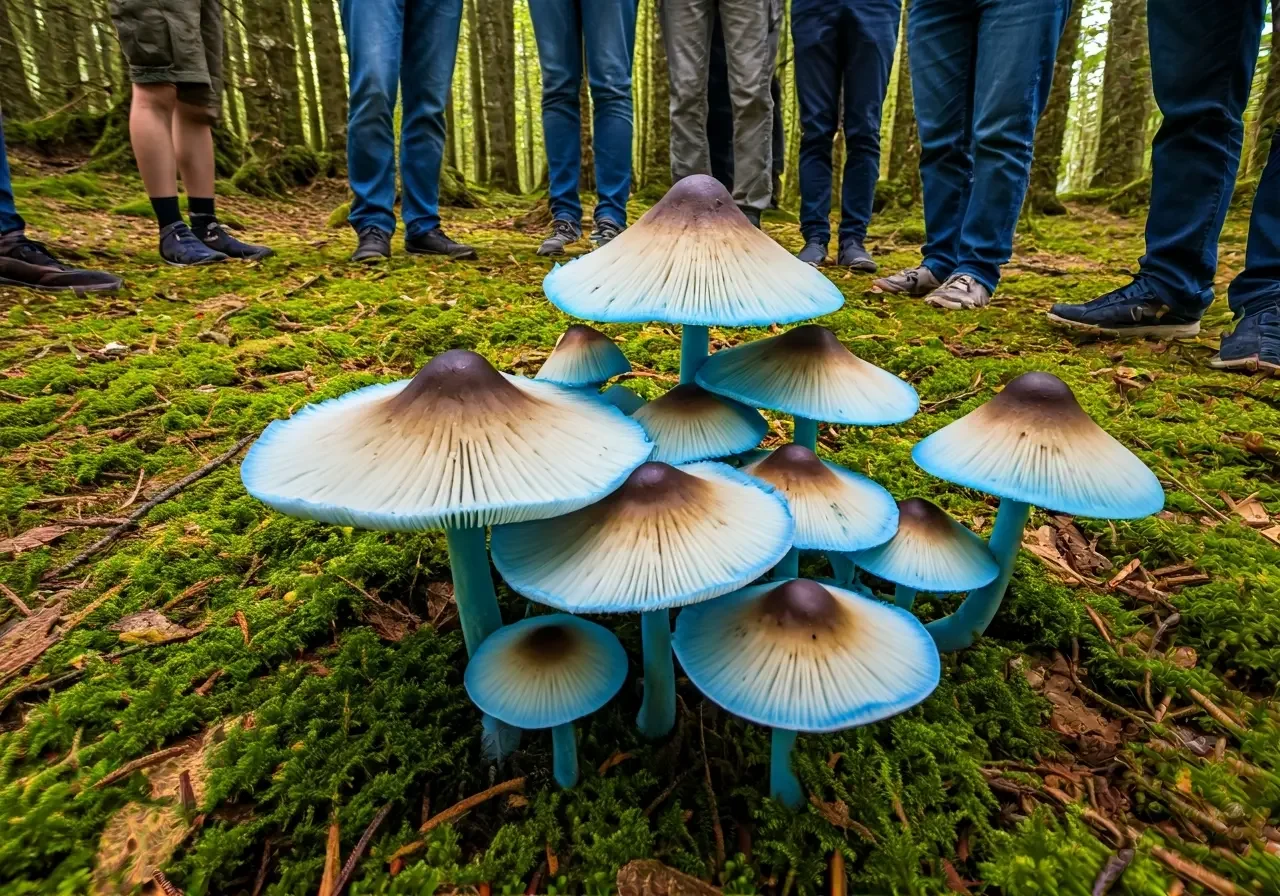
What Causes Blue Spots on Psychedelic Mushrooms?
The blue spots you see are commonly a result of bruising. This can occur when the mushrooms are handled, picked, or exposed to pressure. The color change happens due to the oxidation of psilocin, a compound found in magic mushrooms.
Delving deeper, this blue coloration is essentially a chemical reaction. When mushrooms experience trauma, like being pinched or dropped, they release psilocin. When this compound comes into contact with oxygen, it changes color, similar to how an apple turns brown after being cut.
Interestingly, not all mushrooms show the same propensity for blue spots. Some strains might bruise easier than others, reflecting natural variations in the compounds' presence and distribution within the mushroom.
Are Blue Spots on My Mushrooms Safe?
Yes, blue spots are generally safe and do not affect the psychedelic properties of the mushrooms. It's a natural reaction and does not indicate that the mushrooms have gone bad.
These spots are akin to a bruise you might find on an apple or banana; they signify handling or pressure but don't impact the mushroom's effects or safety for consumption. So, there's no need to worry if your mushrooms develop a few blue patches.
For those who are new to the world of magic mushrooms or are cautious about consumption, it is vital to ensure overall quality. By this, we mean checking for any other signs of spoilage, such as a foul odor or slimy texture, before consuming.
How to Prevent Blue Spots from Forming
Handle your mushrooms gently to avoid bruising. Store them in a cool, dry place in order to maintain their quality and appearance. When picking, use a soft touch to reduce the chances of damaging them.
Using proper storage techniques such as placing them in a breathable container helps maintain their freshness. Avoid excessive handling and make sure to transport them gently if they need to be moved.
If harvesting your own mushrooms, make sure your tools are clean and your hands are steady. This helps keep the mushrooms in their best condition for longer periods.
When Should I Be Concerned About Discoloration?
If you notice a strong, unpleasant smell or if the mushrooms appear slimy, they might be deteriorating beyond safe use. In such cases, it’s best to avoid consumption and consult a mushroom expert if you are unsure.
Understanding the difference between typical bruising and potential contamination is crucial. While blue spots are standard, if you detect green or black mold, it's best to discard the mushroom to avoid any health risks.
If in doubt, staying informed by researching or asking knowledgeable sources from communities like fungi forums can provide peace of mind and valuable pointers.
Understanding the Blue: A Final Thought
Blue spots on your psychedelic mushrooms are usually nothing to worry about. They often indicate bruising, which is a natural process, or simply the effects of handling and environmental conditions. By understanding and caring for your mushrooms, you can continue to enjoy their happy, magical properties.