Difference Between Amanita Muscaria & Magic Mushrooms
In the world of psychedelics, mushrooms hold a significant place due to their historical, cultural, and mystical aspects. However, not all mushrooms are the same. Two popular types—Amanita Muscaria and Magic Mushrooms—are often confused but have distinct differences. This blog will dive into these differences and explore what sets them apart while considering their effects, uses, and cultural significance.
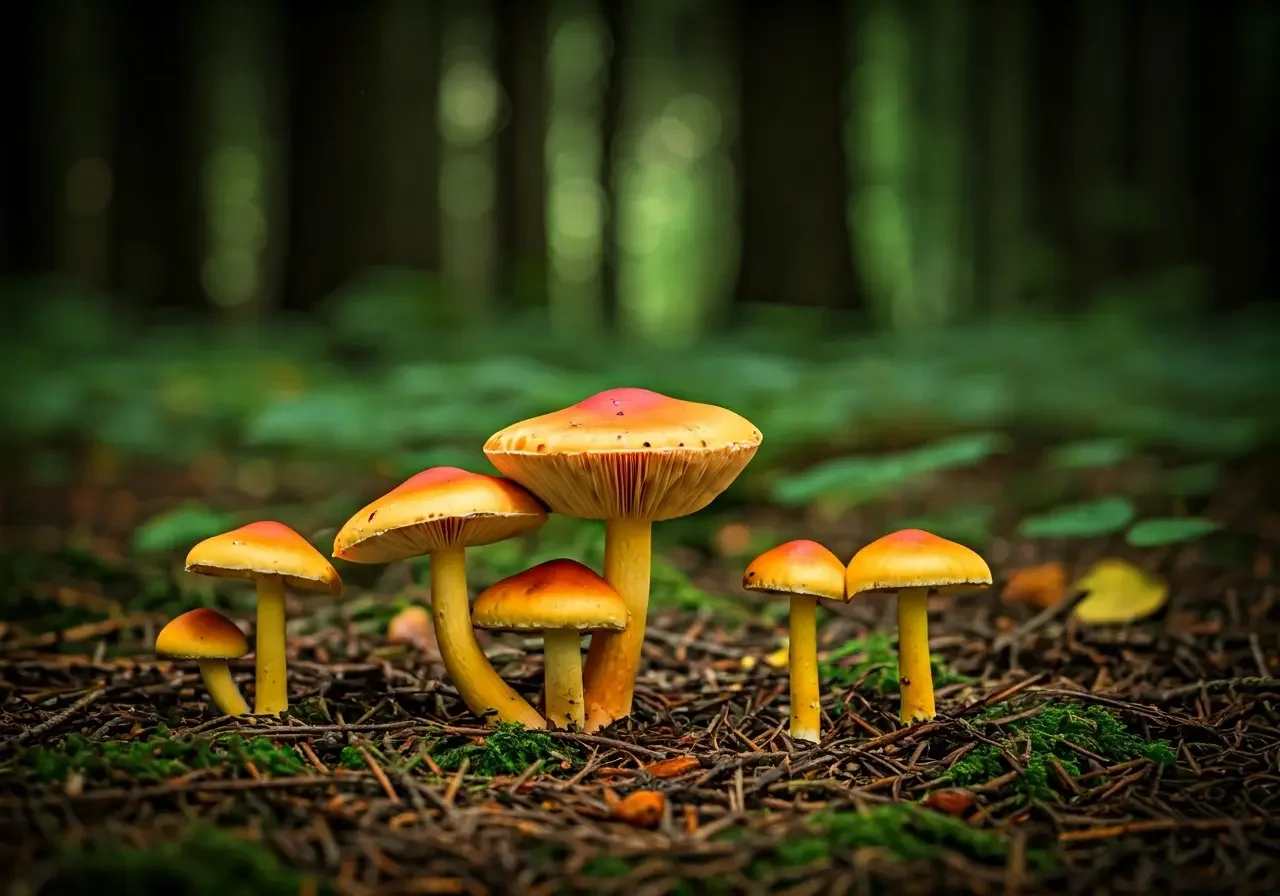
What Are Amanita Muscaria?
Amanita Muscaria, often identifiable by their iconic red cap with white spots, are one of the most visually recognizable mushrooms. Historically used in shamanic rituals, particularly in Siberian cultures, their effects are quite different from other psychedelic mushrooms. Despite their enchanting appearance, Amanita Muscaria are not the hallucinogenic powerhouses one might expect from a typical psychedelic experience. Instead, they create a sedative and somewhat dissociative effect stemming from their unique compounds. They are known for inducing a dream-like state rather than visual hallucinations, reminiscent of a deep, introspective journey.
The traditional use of Amanita Muscaria is steeped in mystery and folklore. In many Siberian cultures, these mushrooms were essential to the spiritual practices of shamans, believed to offer a bridge between the earthly realm and the spiritual world. Shamanic rituals often used these mushrooms to communicate with spirits, gain insights, or bestow blessings. The Amanita Muscaria has even been linked to the myth of Santa Claus, as its vivid red and white colors are said to influence the depiction of the jolly figure and his flying reindeers, offering a fascinating intersection of cultural symbolism and natural history.
Understanding Magic Mushrooms
Magic mushrooms, typically referencing psilocybin-containing fungi, have been used for centuries for their mind-altering effects. These mushrooms are known for the sense of euphoria, altered perception, and deep introspective experiences they offer. For many, the experience with magic mushrooms can be profoundly transformative, often leading to personal insights and a heightened sense of connection to the universe. Unlike Amanita Muscaria, psilocybin mushrooms offer vivid visual hallucinations and altered perception of time and space, often distilled into what many users describe as life-changing experiences.
The secret behind these effects lies in the substance psilocybin. When consumed, psilocybin is metabolized into psilocin, which influences the serotonin receptors in the brain, altering mood, feelings, and perception. This biochemical reaction is responsible for the profound sense of euphoria and heightened awareness reported by users. Interestingly, new research is exploring the potential for psilocybin in therapeutic settings, such as its use in addressing treatment-resistant depression, PTSD, and existential distress in terminally ill patients.
Chemical Composition and Effects
The primary psychoactive compound in Magic Mushrooms is psilocybin, whereas Amanita Muscaria contain muscimol and ibotenic acid. These chemicals lead to different physical and psychological effects, with magic mushrooms offering a more straightforward psychedelic experience and Amanitas providing a more unpredictable and potentially sedative state. Psilocybin works by binding to serotonin receptors, specifically 5-HT2A, influencing brain activity and altering perception. In contrast, muscimol influences the neurotransmitter and receptor system GABA, leading to its distinct effects.
Understanding the neuroscience behind these mushrooms provides fascinating insight into their effects. Psilocybin's impact on serotonin receptors disrupts normal brain communication, resulting in the visual and auditory hallucinations users report. For Amanita Muscaria, the muscimol acts more like a tranquilizer, leading to a more sedative experience that can be both unique and unpredictable. Insights into these mechanisms not only enhance our understanding of how these fungi influence consciousness but also highlight their potential applications in medicine.
Cultural and Historical Significance
Both types of mushrooms hold distinct places in cultural folklore and rituals. Amanita Muscaria has been linked with ancient shamanic practices, while Magic Mushrooms have a rich history in various indigenous cultures across the Americas. Understanding these cultural roots is crucial to appreciating their significance and impact. In the Mazatec civilization of Mexico, psilocybin mushrooms, known as 'teonanácatl' or 'flesh of the gods', were used in sacred ceremonies to evoke divine communication and healing, ingraining these fungi as part of cultural heritage and spirituality.
The broader societal acceptance and regulatory shifts regarding psychedelic substances have spurred renewed interest in ancient cultural practices. More than ever, individuals are turning to the wisdom of ancient traditions to guide their modern experiences with psychedelics. Despite being outlawed for decades under various legal regimes, these mushrooms maintain a place in spiritual and healing practices worldwide, and their stories add layers of richness and depth to our understanding of human history.
Safety and Legality
Navigating the legal landscape of these mushrooms can be complex, as legality varies greatly by region. Safety is also a vital aspect, as proper identification and preparation are crucial to avoiding potential risks associated with toxicity and adverse reactions. In some areas, possession and use of psilocybin mushrooms are decriminalized, allowing for personal use within prescribed limits, reflecting a growing recognition of their potential benefits. However, Amanita Muscaria mushrooms remain mostly legal, but their unique effects demand careful consideration and informed use to prevent unintended consequences.
With increasing interest in psilocybin research, there is hope for wider acceptance and safer usage thanks to emerging laws and scientific backing. Nonetheless, users must remain educated and cautious. It's crucial to consult informational resources and understand regional laws to engage with these substances legally and safely. Always remember that the responsibility lies with the individual to educate themselves on the potential risks and rewards of delving into the enchanting world of psychedelics.
Embracing the Mystical World of Mushrooms
Understanding the differences between Amanita Muscaria and Magic Mushrooms is essential for anyone interested in the world of psychedelics. While both have their unique allure and historical contexts, it is crucial to approach them with respect and awareness. Whether used for spiritual exploration, cultural practices, or personal insight, these mushrooms offer a glimpse into the vast world of natural psychedelics. For those intrigued by their potential, explore more about how to safely engage with these fascinating fungi.