Why Psylocibin is safer than Amanita Muscaria Mushrooms
In recent years, the interest in mushrooms with psychoactive properties has grown significantly. Two of the most talked-about varieties are Psylocibin mushrooms, often referred to as magic mushrooms, and Amanita Muscaria, also known as fly agaric or happy mushrooms. Despite their mystical allure, these fungi have different safety profiles. This FAQ helps explore why Psylocibin is generally considered safer than Amanita Muscaria.
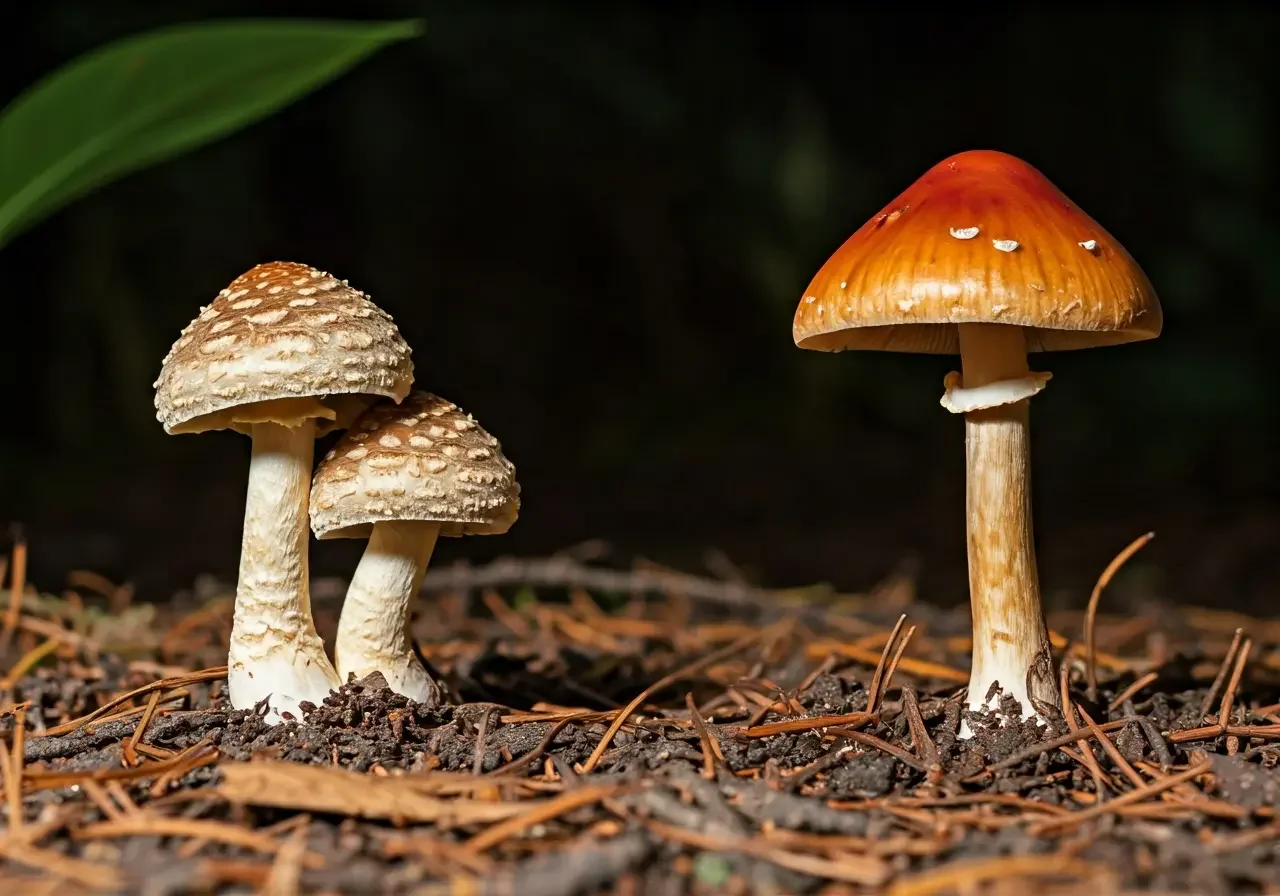
What are Psylocibin and Amanita Muscaria Mushrooms?
Psylocibin mushrooms are a group of fungi containing the psychedelic compound psylocybin, known for causing hallucinations and altering perception, mood, and cognition. Amanita Muscaria, on the other hand, contains muscimol and ibotenic acid, which can cause a variety of effects, some of which can be unpleasant or even dangerous.
The visually striking appearance of Amanita Muscaria, with its bright red cap speckled with white spots, has made it a subject of fascination in folk tales and popular culture. Despite its allure, it's crucial to understand the potential risks involved with its consumption. In contrast, Psylocibin mushrooms are usually smaller and less visually dramatic, yet they are more revered for their relatively predictable effects.
The Chemical Difference: Psylocybin vs. Muscimol
Psylocibin mushrooms primarily contain psylocybin, which is converted into psilocin in the body and causes psychedelic experiences. Amanita Muscaria, however, contains muscimol and ibotenic acid, which can have more erratic and unpredictable effects, contributing to its broader risk profile.
The differing chemical compositions not only lead to distinct experiences but also affect their safety profiles. While psilocybin leads to effects that are generally mellower and more manageable, muscimol and ibotenic acid can result in states that range from dreamy relaxation to severe confusion or agitation, making Amanita Muscaria's effects notably less predictable.
Safety Record of Psylocibin Mushrooms
Historically, psylocibin mushrooms have been used safely in indigenous cultures for spiritual enlightenment. Modern studies indicate a relatively low potential for harm, especially under controlled, supervised usage regarding dosage and environment.
Research over the years has bolstered confidence in the safety of Psylocibin mushrooms, especially when guidelines are adhered to. It's recognized that the setting, mindset, and guidance during the experience significantly influence the outcome, potentially leading to therapeutic insights and emotional healing. For those interested, a safe approach can be explored through safe usage practices.
Risks Associated with Amanita Muscaria
Amanita Muscaria is often considered more dangerous due to its potential to cause severe nausea, vomiting, and other undesirable effects. Additionally, it can impact individuals differently, leading to a higher variability in experiences and a greater chance of toxicity.
For many, the potential dangers of Amanita Muscaria outweigh its psychoactive allure. Anecdotal reports and scientific studies both highlight cases of disorientation, agitation, and in severe instances, seizures or comas following consumption. These serious risks underline the importance of approaching this mushroom with extreme caution and respect for its potent effects.
The Cultural and Scientific Understanding of Safety
Psylocibin mushrooms benefit from centuries of ritualistic use and increasing scientific interest. In contrast, Amanita Muscaria lacks this depth of understanding, contributing to its reputation as less safe. Increasing research on psylocibin offers more insights into dosages and psychological impacts.
Creating informed decisions about these mushrooms requires a solid foundation of cultural and scientific knowledge. As interest in psychoactive mushrooms grows, understanding their effects, potencies, and cultural relevance becomes increasingly important. By unraveling the complexities surrounding these mystical fungi, individuals stand to gain more from the experiences, ensuring both personal growth and safety.
Understanding the Safety of Psylocibin vs. Amanita Muscaria
In conclusion, while both Psylocibin and Amanita Muscaria mushrooms have distinct characteristics and effects, Psylocibin mushrooms are generally considered safer due to their historically lower risk of severe poisoning and better-understood properties. As with any psychoactive substance, proper education, awareness, and caution are essential. For a responsible approach to exploring the world of mushrooms, visit Happy Mushrooms to learn more about safe usage and potential benefits.